A good bus trip usually feels simple because the important decisions were made before departure. This checklist covers the details that most often reduce stress on journeys within Albania and across Balkan borders. Adapt it to the operator, route and entry rules shown for your own booking.
← Back to all stories
Travel planning8 min read
The Essential Balkan Bus Travel Checklist
A practical pre-trip checklist for documents, tickets, luggage, station arrival, comfort and international bus connections in the Balkans.
By ShowMeBus editorial team
- Search the route on ShowMeBus for the exact travel date.
- Compare departure and arrival stations as well as the times.
- Review the itinerary for transfers and separate segments.
- Check the passenger name and contact details before payment.
- Read the fare, luggage and cancellation information presented for the trip.
Documents for international routes
Confirm the entry and transit rules that apply to your nationality using official authorities. Carry the original passport or accepted identity document, plus any visa or residency evidence required for the journey. Check its validity well before departure.
Keep documents in a secure personal bag that stays with you. A scan can help with recovery, but it does not replace the original at a border.
Your digital travel folder
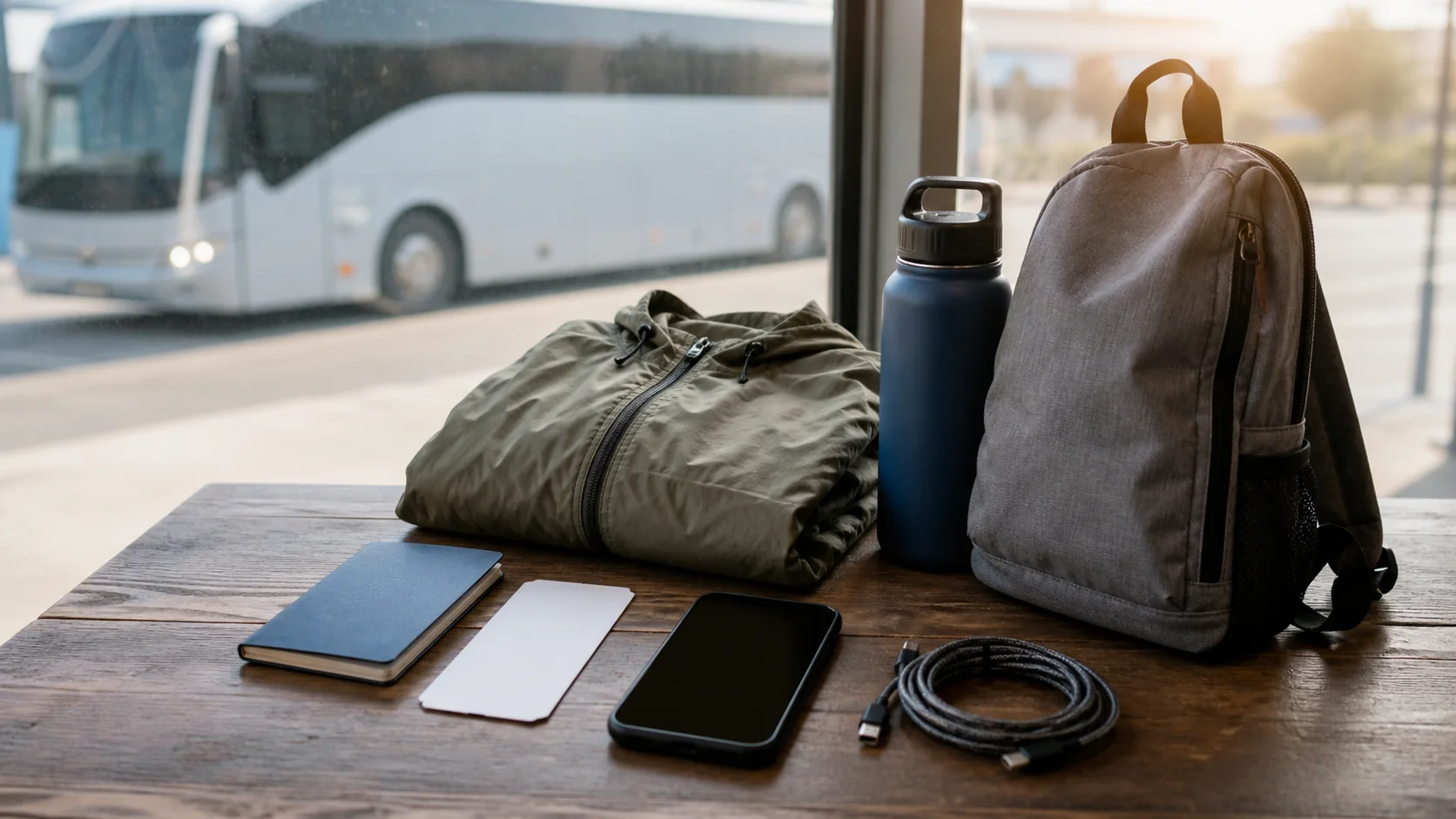
Save the ticket or QR code offline, take note of the booking reference and charge your phone. Keep the operator's communication channel and your accommodation address available. A compact power bank is useful, but never assume every coach or station will have a working socket.
Pack for control, not maximum volume
- Label checked luggage and photograph it before the journey.
- Keep money, electronics, medication and documents in hand luggage.
- Carry water, a small snack, tissues and hand sanitiser.
- Wear comfortable layers and keep a light jacket accessible.
- Check the service's baggage allowance before bringing oversized items.
At the station
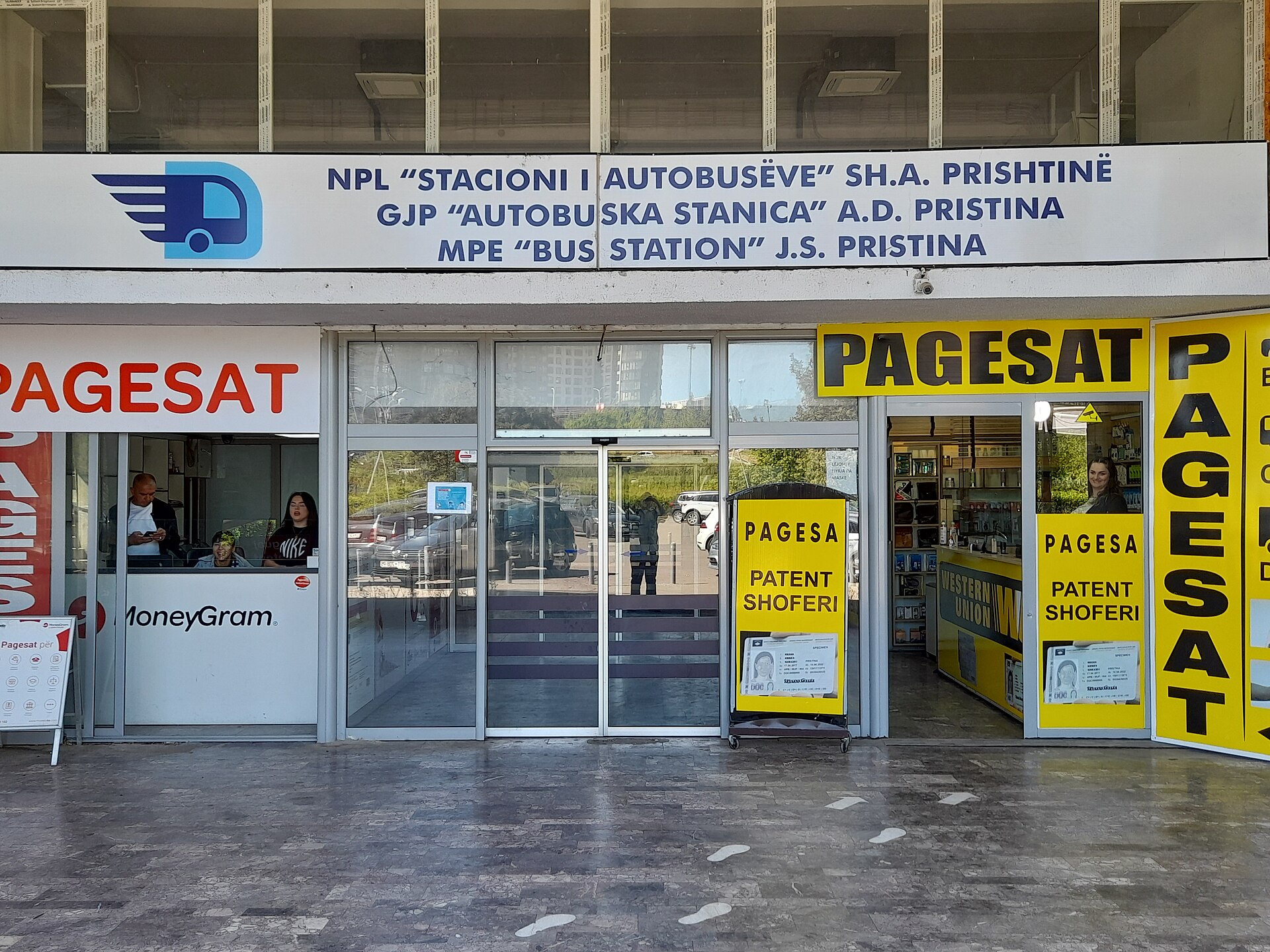
Arrive with enough time to locate the correct bay, confirm the destination and load luggage. Station names can be similar, and a city can have multiple departure points. Ask authorized staff when uncertain rather than following another passenger without checking.
Keep your ticket and document ready, but do not hand them to unofficial helpers. Stay aware of announcements and changes near departure time.
Connections and arrival
Allow a generous buffer between separately booked services, especially after an international segment. Border, weather and road delays are possible. Save an offline map for the arrival city and decide how you will reach the final address.
One final two-minute check
Before leaving home, confirm the date, local departure time, station, passenger details, document and phone battery. Before leaving the coach, check the seat pocket, floor and overhead area. Small habits protect the parts of the journey that matter most.
Start with an itinerary buses can actually support
The most useful checklist begins before packing. Put your desired cities in a logical order, then search every major leg for the exact dates. A line on a map does not guarantee a direct service, and a route that operates in summer may be different later in the year. If one connection forces an overnight stop, decide whether that stop could become a worthwhile destination instead of treating it as a failure.
Avoid changing countries every day. Two or three nights per base usually creates a better balance between discovery and transport. It also gives you alternatives when weather affects a hike, a museum closes or a road journey arrives later than estimated. The objective is not to prove how many borders you can cross; it is to experience the places between them.
One week before departure
- Confirm entry and transit requirements from official sources.
- Check that names on tickets match the relevant documents.
- Review baggage, cancellation and boarding conditions for each trip.
- Map every station and save the pins for offline use.
- Tell accommodation hosts the likely arrival window.
- Search return and onward journeys, even if they will be booked later.
- Check the weather for city days, coast days and mountain days separately.
This is also the moment to find fragile parts of the plan. A flight two hours after an international coach, a hike ending just before boarding or a hotel with a strict reception deadline are warning signs. Move fixed commitments or add an overnight buffer while changes are still manageable.
Pack for mobility, not every possibility
Bus travel is easier when you can lift and move your own luggage. Choose a main bag that works on station steps, cobbles and short walks, plus a small cabin bag. Packing cubes or simple organisers help you reach a layer or charger without opening everything. Leave space for food, small purchases and the reality that clothes rarely repack as neatly after a week.
Keep documents, money, bank cards, medication, phone, electronics and irreplaceable items in the cabin bag. Checked luggage should contain things you can temporarily live without. Use a luggage tag that helps identify the bag without displaying unnecessary personal information. If carrying trekking poles, sports equipment or unusually large items, confirm acceptance before buying the ticket.
A practical cabin-bag checklist
- Passport or other required original document.
- Ticket saved offline and, when useful, a paper backup.
- Phone, charging cable and power bank.
- Water and food that is tidy and considerate.
- Medication and a small personal-care kit.
- Light layer, eye mask or neck support for longer journeys.
- Offline maps and accommodation details.
- Emergency contact and insurance information where applicable.
Do not depend on Wi-Fi, power sockets, toilets or refreshments unless the selected service explicitly confirms them. Even when listed, equipment can be unavailable. Personal preparation is small, light and more reliable.
For hiking and outdoor holidays
The Balkans offer exceptional mountain and coastal walking, but an intercity ticket does not solve trail access. Research the final transfer, seasonal road conditions, trail difficulty, daylight and return options. Ask whether accommodation can arrange a licensed transfer or whether a local guide would improve safety. Never plan to reach a remote trailhead simply by showing the name to an international coach driver.
Carry suitable footwear, layers, sun and rain protection, water capacity and a downloaded route. Tell someone where you are going. Weather can change quickly at elevation, and a social-media image says nothing about current conditions. Place the hike on a full day, not between checkout and a border crossing. If the outdoor day fails, have a town, museum or food alternative that still makes the stay worthwhile.
For families and groups
Assign simple roles before entering a busy station: one adult holds documents, another watches bags, and everyone knows the destination and operator. Photographing luggage can help identification. Pack snacks, wipes and entertainment where they are reachable. Check child ticket and seating conditions directly, and verify any border documents needed when minors travel with one parent or a guardian.
Groups should not assume they can spread through the station and regroup at boarding time. Choose a meeting point and arrive together. If tickets are on one phone, save a backup with another responsible traveller without exposing barcodes publicly.
At the station
Use the exact boarding location on the ticket. Arrive early enough to resolve ambiguity without panic. Match the departure time, destination and operator rather than coach colour. Ask identified staff when unsure, keep bags closed and remain near the expected bay. An early arrival is not permission to disappear for a long meal; boarding practices vary.
Listen to instructions during rest stops and note when the coach will continue. Take valuables with you unless instructed otherwise, and count your bags after every transfer. At the destination, check the seat pocket, floor and overhead space before stepping away.
Money and connectivity
Countries in the region may use different currencies and roaming arrangements. Check bank fees and mobile coverage before the trip. Carry more than one payment method, but do not keep every card and all cash in the same place. Small legitimate expenses may require cash, while online tickets require a payment method accepted by the checkout.
Download essential information while connected to trusted Wi-Fi. Avoid conducting sensitive financial tasks on an unknown public network. Keep the phone locked and preserve battery by using offline maps. A written accommodation address is helpful if the device fails.
Travel-day food, health and comfort
Eat sensibly before boarding and carry water. Very salty food, excessive alcohol and messy meals make a long road journey harder. Move during appropriate stops, follow medical advice for personal conditions and keep prescriptions accessible. Travel insurance and healthcare arrangements vary, so research what applies to you rather than relying on a generic packing list.
Noise and temperature affect other passengers too. Use headphones, avoid strong scents and keep calls brief. Shared travel works best when everyone treats the cabin as a common space.
The night-before reset
Recheck the date, local departure time and station. Charge devices, place documents in the cabin bag and confirm the route to the terminal. Set more than one alarm for an early service. If a schedule or station update has been communicated, follow the latest official booking information rather than the original travel note.
For an international trip, do not stay out so late that you board exhausted or risk missing the departure. The first hour of a smooth travel day is usually created the evening before.
After arrival
Pause before leaving the station area: verify luggage, connect safely, open the saved map and choose the planned transfer. Avoid accepting an unofficial ride because you feel rushed. Contact the accommodation if the arrival has shifted and keep the ticket until the journey is fully complete.
A checklist cannot remove every uncertainty, but it can remove preventable ones. When the route, documents, station, luggage and first arrival step are clear, Balkan bus travel becomes far less intimidating—and far more space is left for the culture, food, landscapes and people that motivated the trip.