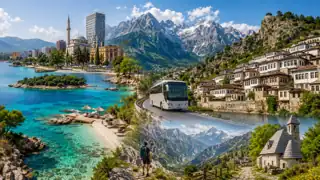
The Balkans reward travellers who notice the distance between destinations, not only the places at either end. Coach travel turns mountain roads, valleys and changing cities into part of the experience while removing the need to drive, navigate unfamiliar traffic or find parking.
← Back to all stories
Travel inspiration8 min read
Why Coach Travel Is a Smarter Way to Explore the Balkans
Discover how coach travel can support a calmer, more connected Balkan itinerary while reducing driving, parking and unnecessary transfers.
By ShowMeBus editorial team
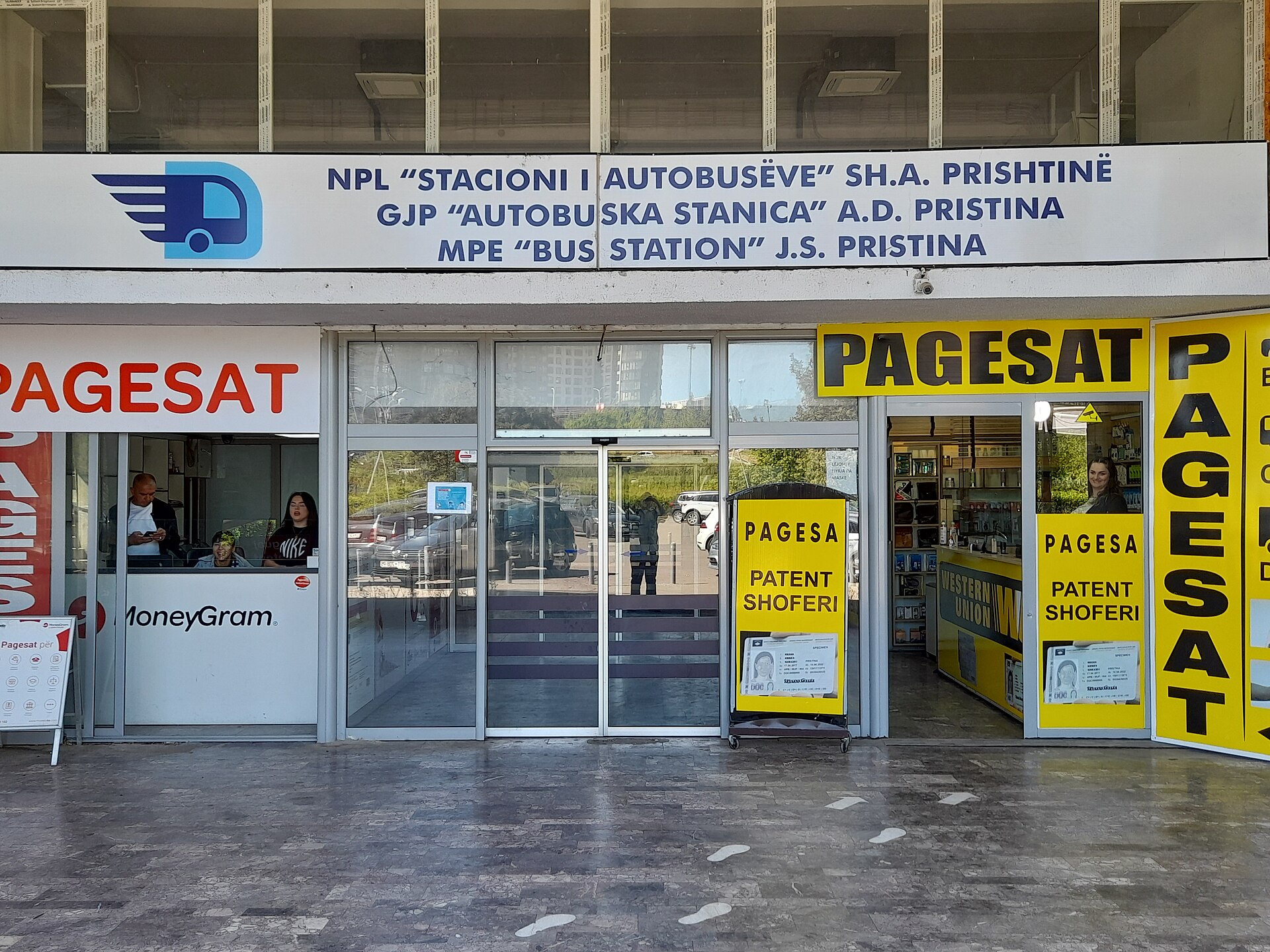
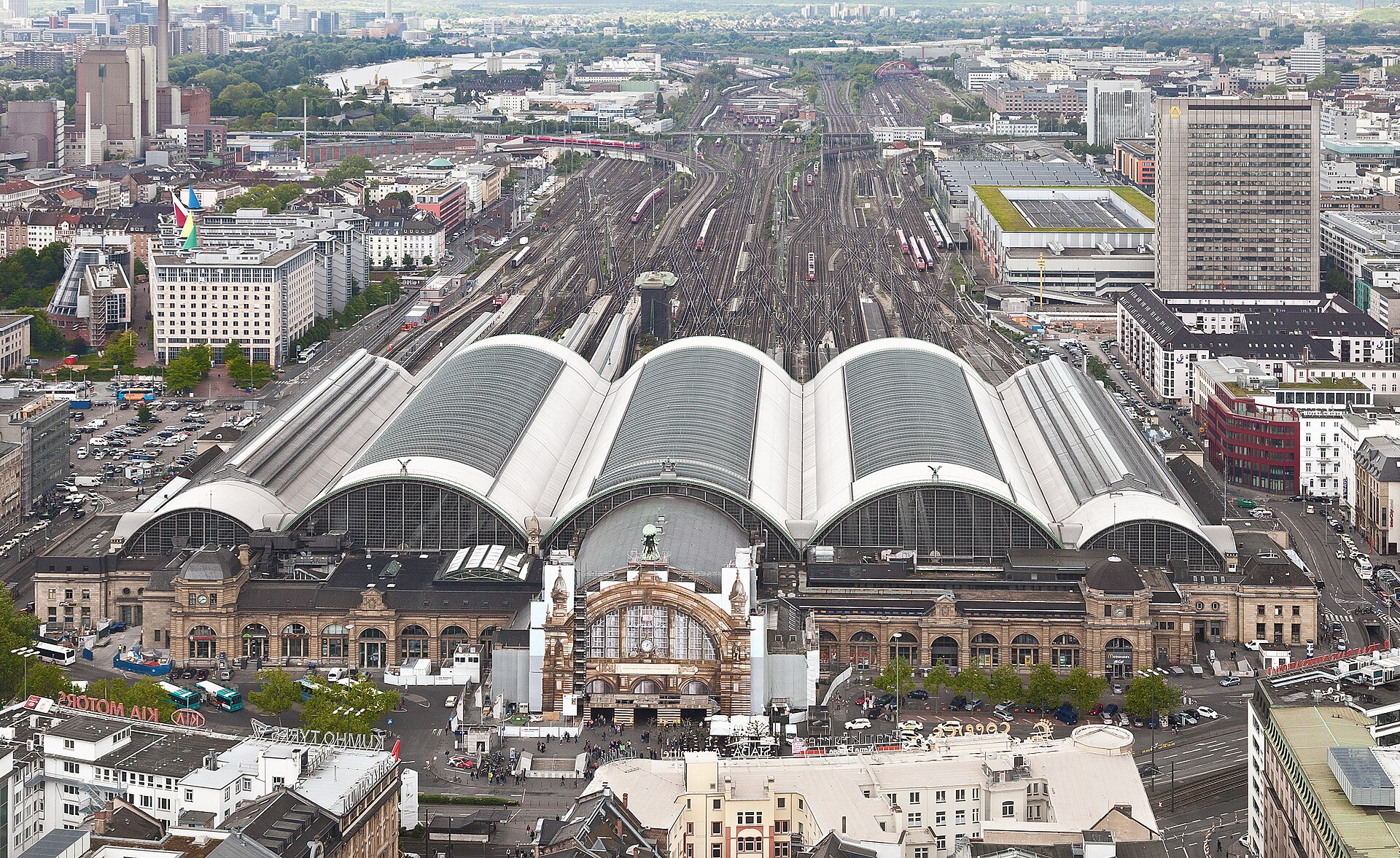
Many regional journeys begin and end in city locations that connect with accommodation and local transport. Search current routes and dates on ShowMeBus, then build an itinerary around the services that actually operate rather than forcing every destination into a driving plan.
Travelling by coach can also avoid one-way car rental fees, border paperwork for a vehicle and the stress of parking near historic centres.
Use one seat more efficiently
A shared intercity vehicle moves many passengers together. The exact environmental impact varies by coach, occupancy, route and comparison method, so broad claims should be treated carefully. Still, choosing shared ground transport can be a practical way to reduce the number of separate cars used for the same corridor.
Travel with a lighter itinerary
Coach travel works best when the trip is not overloaded. Stay longer in fewer places, use direct journeys where they fit and choose connections with enough time. This creates a calmer schedule and reduces unnecessary backtracking.
- Group nearby destinations into a logical direction of travel.
- Walk or use local public transport after arrival where practical.
- Carry a refillable bottle and reusable travel essentials.
- Pack a manageable bag instead of transporting unused items.
- Support local accommodation, food and services along the route.
See the landscape between capitals
Flying can make neighbouring countries feel disconnected. From a coach window, the gradual changes in terrain, architecture and daily life explain more of the region. Daytime departures are especially rewarding on scenic corridors, while evening services can preserve more of the day at your destination.
Plan for resilience
Lower-impact travel still needs practical preparation. Check entry rules for international routes, allow time at borders and avoid tight separately booked connections. Save the ticket offline and confirm the stations at both ends.
Make the route part of the holiday
A smarter Balkan itinerary is not measured only by speed. Compare the live journey options, choose a comfortable sequence of destinations and give each place enough time. ShowMeBus helps make those ground connections easier to understand, so the road becomes an intentional part of the trip.
Coach travel versus renting a car
A rental car promises freedom, but that freedom comes with driving, navigation, deposits, fuel, parking and responsibility for the vehicle. Cross-border holidays can add permission and insurance questions. Historic centres may restrict cars, and popular coastal towns can make parking the least enjoyable part of the day. When the itinerary links cities and established destinations, a coach can remove more friction than it creates.
The bus gives every traveller the chance to rest, read or watch the landscape. Solo visitors avoid paying for an entire vehicle, groups avoid choosing a permanent driver and nobody has to drive after a long flight. A car remains valuable for some remote routes, but it should solve a real access problem rather than serve as the automatic definition of independence.
Build a car-free itinerary in layers
First connect the major bases with intercity services. Then choose central accommodation that works with the arrival stations. Finally add local public transport, walking, a licensed transfer or a guided excursion for places beyond the network. This layered approach can reach cities, coastlines, lakes and mountain gateways without expecting one transport mode to do everything.
Search the full sequence before booking. Tirana, Prishtina, Skopje, Ohrid, Podgorica and coastal towns can form different combinations depending on date and season. A slower route with fewer bases usually works better than an ambitious map covered in pins.
Environmental claims need honesty
The impact of any journey depends on distance, vehicle, occupancy and what it replaces. It would be misleading to attach one universal emissions promise to every coach. Still, shared transport allows many passengers to use one vehicle rather than many separate cars. Choosing well-used ground transport, walking after arrival and avoiding unnecessary backtracking can support a lower-impact travel pattern.
The most powerful decision may be staying longer. Fewer transfer days mean less transport, less rushed consumption and more spending with businesses in each place. Sustainability is not only the vehicle; it is the pace and behaviour of the holiday.
Slow travel is better tourism
Two or three nights in a destination create time for neighbourhood cafés, local markets, museums and conversations beyond the landmark list. Day trips can be chosen for genuine interest rather than because a car needs somewhere to go. A coach timetable provides a useful boundary: arrive, settle in and live at the destination until the next deliberate move.
This pace also improves resilience. A rainy hiking day can move, a delayed arrival does not erase the only evening and the traveller is less tempted to take risky connections. The holiday gains depth while transport stress falls.
Hiking without keeping a car
Many hikers use cities as gateways and arrange a final shuttle, guesthouse transfer or local bus to the trail area. Research that last leg independently and verify seasonal access. For routes such as mountain villages or point-to-point treks, accommodation providers and experienced local operators can offer current practical information that a general intercity guide cannot.
Do not schedule a major trail and an international departure on the same tight day. Weather, road conditions and walking pace can change. Carry appropriate equipment, follow park guidance and use a qualified guide when the route or conditions call for one. Check coach baggage rules for poles or bulky gear.
Coast and old towns without parking
Along the Adriatic and around historic centres, a car may be least useful precisely where visitors want to spend time. Pedestrian streets, narrow lanes and busy summer parking favour arriving by shared transport and walking. Choose accommodation with a realistic route from the station, especially when there are hills, steps or late check-in.
For a beach outside town, compare local transport, a boat service where appropriate or a licensed taxi. One planned day transfer can cost less and create less stress than renting a vehicle for an entire week.
Practical habits for lighter travel
- Pack one manageable bag instead of unused “just in case” items.
- Carry a refillable bottle where safe refilling is available.
- Use offline tickets and maps to reduce paper and connectivity stress.
- Walk or use local public transport for suitable urban trips.
- Choose local, seasonal food and locally owned services.
- Respect trail, beach, heritage and waste rules.
- Stay longer and avoid zigzagging between distant destinations.
These actions are modest, but they also make travel easier. Lighter luggage helps at stations, offline information preserves battery and local spending creates a more memorable experience.
Who benefits most from coach-based travel?
Solo travellers gain an affordable city-to-city option without the isolation of driving. Couples can both enjoy the scenery. Families keep the group together and remove navigation arguments, though they should confirm child and luggage rules. Older travellers may prefer direct services and daylight arrivals. Remote workers can move between longer stays without managing a vehicle, provided important calls are not scheduled around road arrivals.
Travellers with accessibility needs should request current information about vehicles, stations and assistance before booking. Shared transport is only useful when the selected service can meet the person's practical requirements.
Budget benefits beyond the ticket
A fair comparison includes rental deposit, insurance, cross-border permission, fuel, tolls, parking and one-way fees. It also includes the value of the driver's attention. Bus travel converts many of those variables into a visible booking and a station transfer. For central stays, the savings can be used for accommodation, food, guides or an occasional targeted excursion.
The cheapest coach is not always best. A direct daytime option may reduce taxis and missed-connection risk. Sustainable planning still requires comparing the whole journey.
Make border days spacious
International coach travel depends on official checks and road conditions. Carry the required original documents, verify rules through official sources and avoid tight separate connections. Tell the accommodation you are arriving by road and save its instructions offline. A calm buffer is part of responsible planning because it reduces the temptation to make unsafe or wasteful last-minute alternatives.
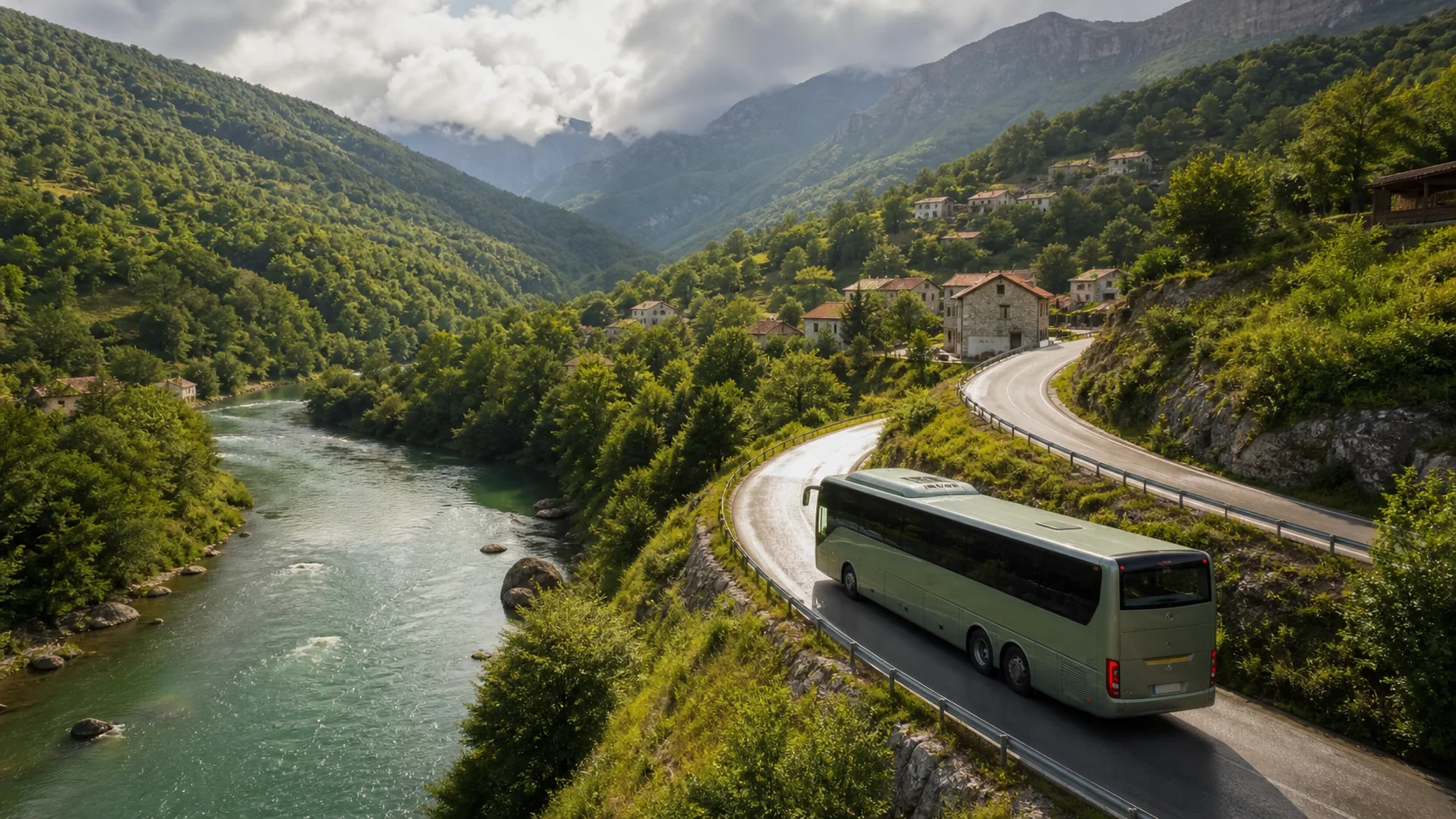
Use the coach window to understand the distance. Mountains, agricultural areas, rivers and suburbs reveal how neighbouring destinations relate to each other. The landscape is not empty time between attractions; it is part of the region.
A sample low-stress planning method
Choose three destinations for a week rather than six. Search the two long-distance legs and the final return first. Reserve central accommodation with flexible arrival where possible. Add one locally guided nature or cultural experience in each base, leaving the remaining time open. Keep the last night near any important flight.
This is only a method, not a fixed route. The current services and your interests should decide the actual sequence. Avoid timeless claims about prices or schedules, and use the issued ticket as the authority for boarding.
Travel further by choosing less
A smarter Balkan holiday does not need a steering wheel or a new city every morning. Coach travel can connect the main experiences while reducing parking, paperwork and the number of separate vehicles on the road. Combined with longer stays and respectful local choices, it creates a journey that is calmer for the traveller and more considerate of the places visited.
Search the live options on ShowMeBus, select a sequence with realistic margins and let the road become part of the tourism experience. The result is not less independent travel; it is independence from unnecessary driving.